





SIGNS OF WILDLIFE AROUND SOLAR PANELS
Learn More
BIRDS FREQUENTLY ON THE ROOF
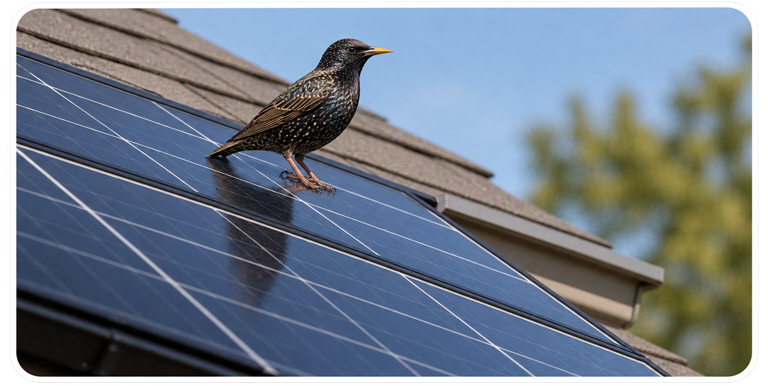
Seeing birds regularly perched on your roof or solar panels can be an early sign that they are using the area for shelter, nesting, or easy access beneath the array. Birds are naturally drawn to the protected space under rooftop solar panels, especially when nearby trees, rooflines, or gutters make landing easy. Frequent bird activity can lead to droppings, feathers, nesting material, and debris collecting around the system. Over time, this buildup may affect panel cleanliness and create other roof concerns. If birds keep returning, it is worth checking the solar panel area for signs of nesting or wildlife activity.
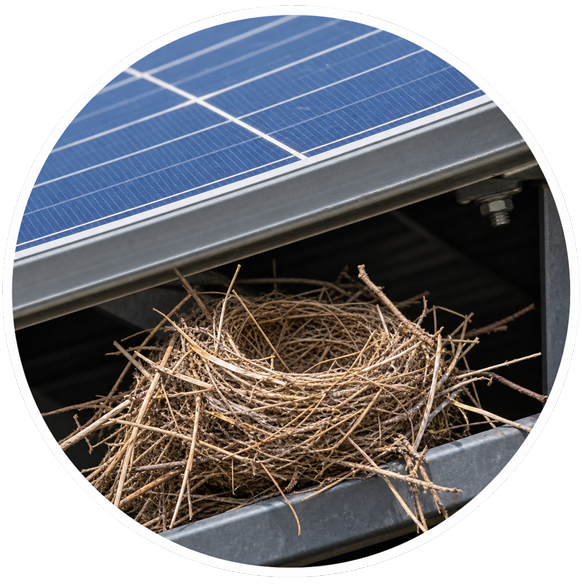
NESTING MATERIAL UNDER PANELS
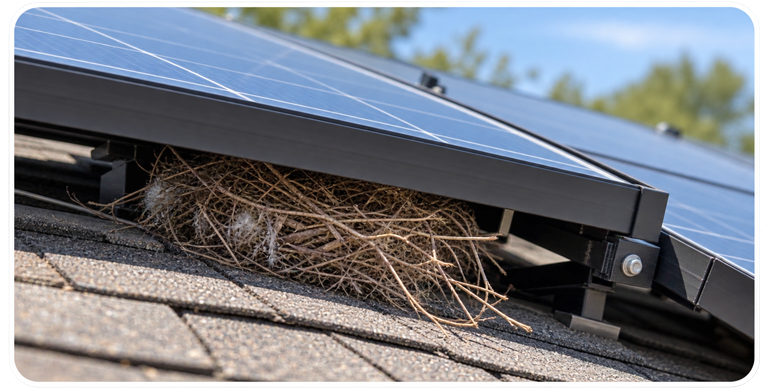
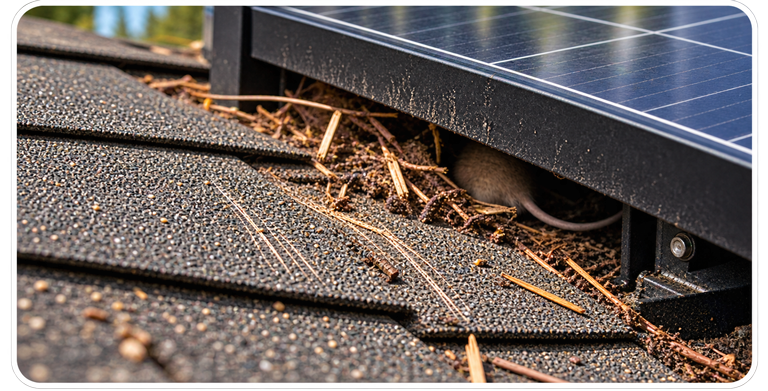
Twigs, grass, leaves, feathers, and other nesting material under solar panels are a strong sign that birds or small wildlife have been using the space beneath the array. Rooftop solar panels create a sheltered area that can feel protected from wind, rain, and predators. Once nesting starts, debris can build up around wiring, mounting hardware, and roof surfaces. That material may trap moisture, restrict airflow, or attract additional pests. If you notice nesting debris around the edge of your solar panels, it is a good idea to have the area checked before the buildup becomes more extensive or causes damage.
DROPPINGS ON PANELS OR ROOFING
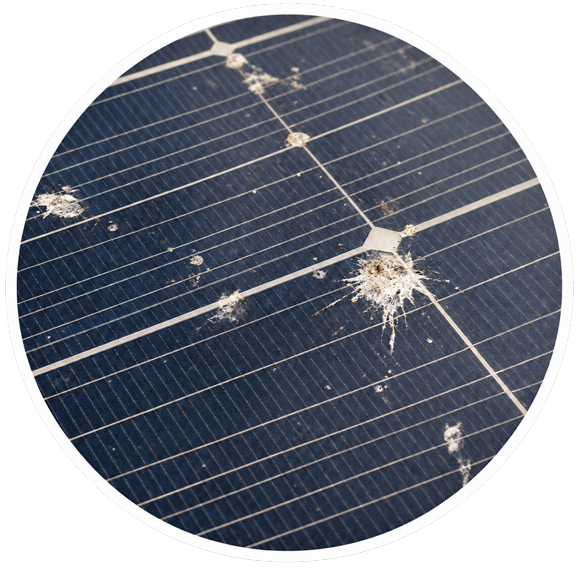
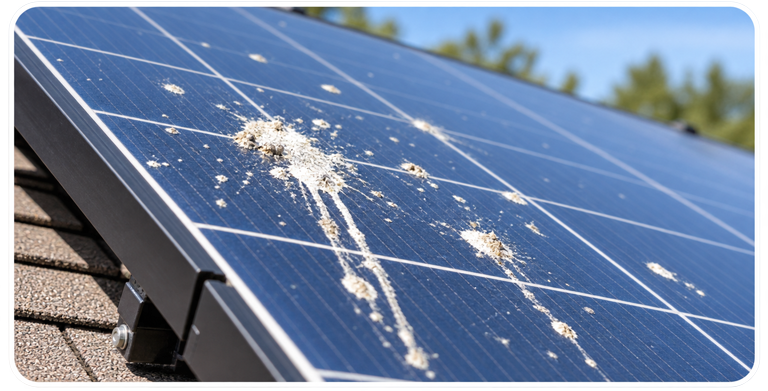
Bird droppings on solar panels or roofing are more than an appearance issue. Repeated buildup can block sunlight from reaching the panel surface, create stubborn staining, and leave acidic residue on roofing materials. Heavy bird activity means birds are spending time on the roof, perching on the array, or possibly nesting underneath the panels. Droppings can also collect around panel edges, gutters, vents, and mounting points. Regular solar panel cleaning helps remove the mess, but recurring droppings may point to an underlying bird problem. Watching for patterns can help identify where birds are landing, roosting, or accessing the solar array.
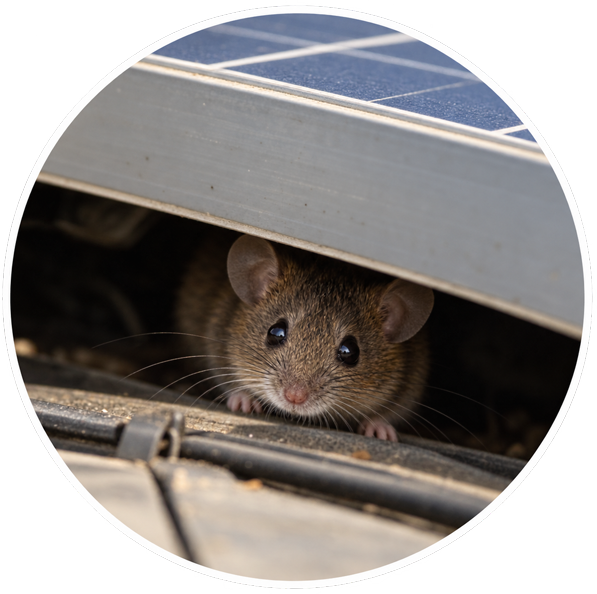
CHEWED MATERIALS
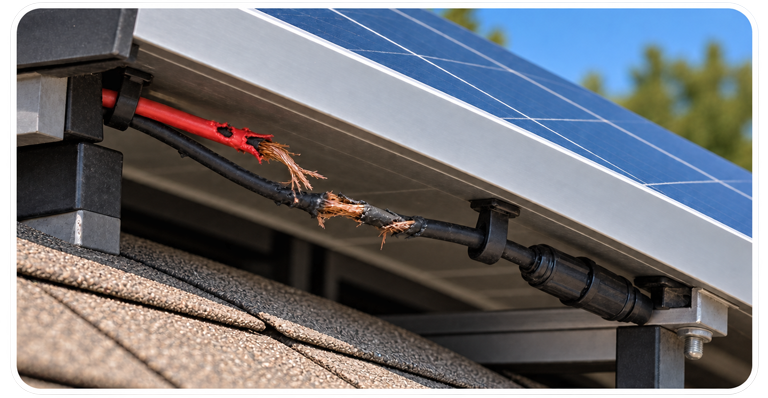
Chewed wires, damaged insulation, and gnawed materials beneath solar panels can indicate rodent or wildlife activity around the rooftop system. Mice, squirrels, and other small animals may enter the sheltered space under panels and chew on wiring, nesting materials, or nearby roof components. Damaged solar panel wiring can create performance problems and may require professional evaluation or repair. Look for frayed insulation, exposed copper, bite marks, disturbed cable clips, or debris near the wiring. If chewed materials are visible, the issue should not be ignored. Finding the source of the activity can help prevent additional damage to the solar array.
SCRATCHING OR MOVEMENT ON ROOF
Scratching, scurrying, or repeated movement on the roof can be a sign that birds, rodents, or other wildlife are spending time around your solar panels. These sounds may be noticeable early in the morning, at dusk, or during quiet periods indoors. Animals can move along the roofline, beneath the panels, or around mounting hardware while looking for shelter or nesting space. Occasional roof noise does not always mean there is a problem, but repeated activity is worth paying attention to. If sounds continue, check for droppings, nesting material, chewed wires, or other signs of wildlife near the rooftop solar array.
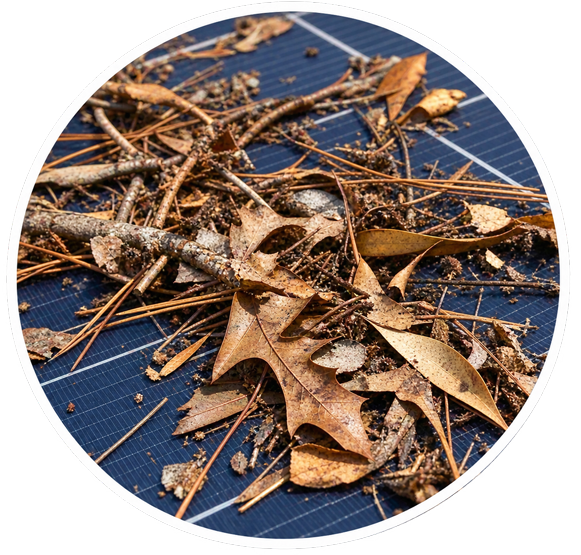
DEBRIS COLLECTING BENEATH PANELS
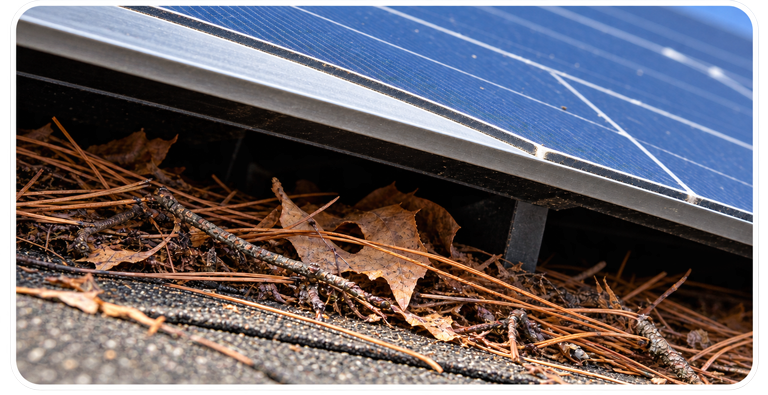
Leaves, pine needles, twigs, dirt, and other debris can collect beneath rooftop solar panels over time. Wind may push material under the array, while birds and small animals can carry nesting debris into the sheltered space. Buildup under solar panels can trap moisture, restrict airflow, and make it harder to spot wiring damage or wildlife activity. Organic debris may also create a more attractive nesting area for birds or rodents. If you can see material accumulating around lower edges of the panels, it is worth having the area checked and cleaned before the debris becomes packed beneath the solar system.
NOT YOUR TYPICAL SOLAR PANEL CLEANING COMPANY
Most solar panel cleaning companies focus only on the surface. We look deeper.
STANDARD SOLAR PANEL CLEANING
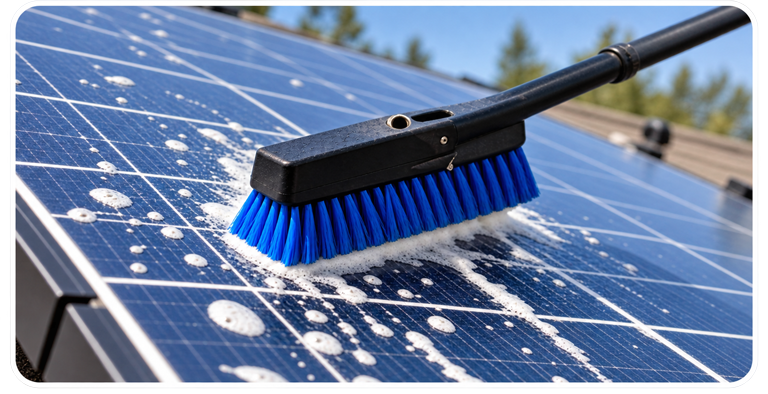
- Cleans the panel surface.
- Removes dirt and buildup.
- Service generally ends when cleaning is complete.
RM WILDLIFE & PEST SOLUTIONS
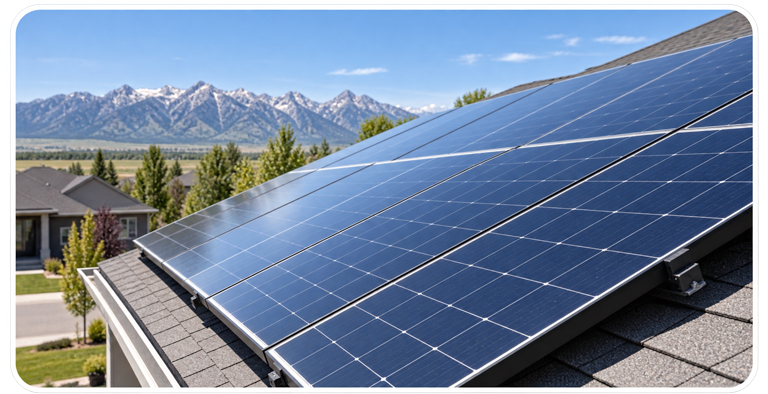
- Cleans solar panels.
- Looks for wildlife activity.
- Finds possible entry points.
- Recommends wildlife solutions.
WHAT HAPPENS IF WE FIND AN ISSUE?
A visual inspection is included with every solar panel cleaning service, and we’ll always let you know what we find.
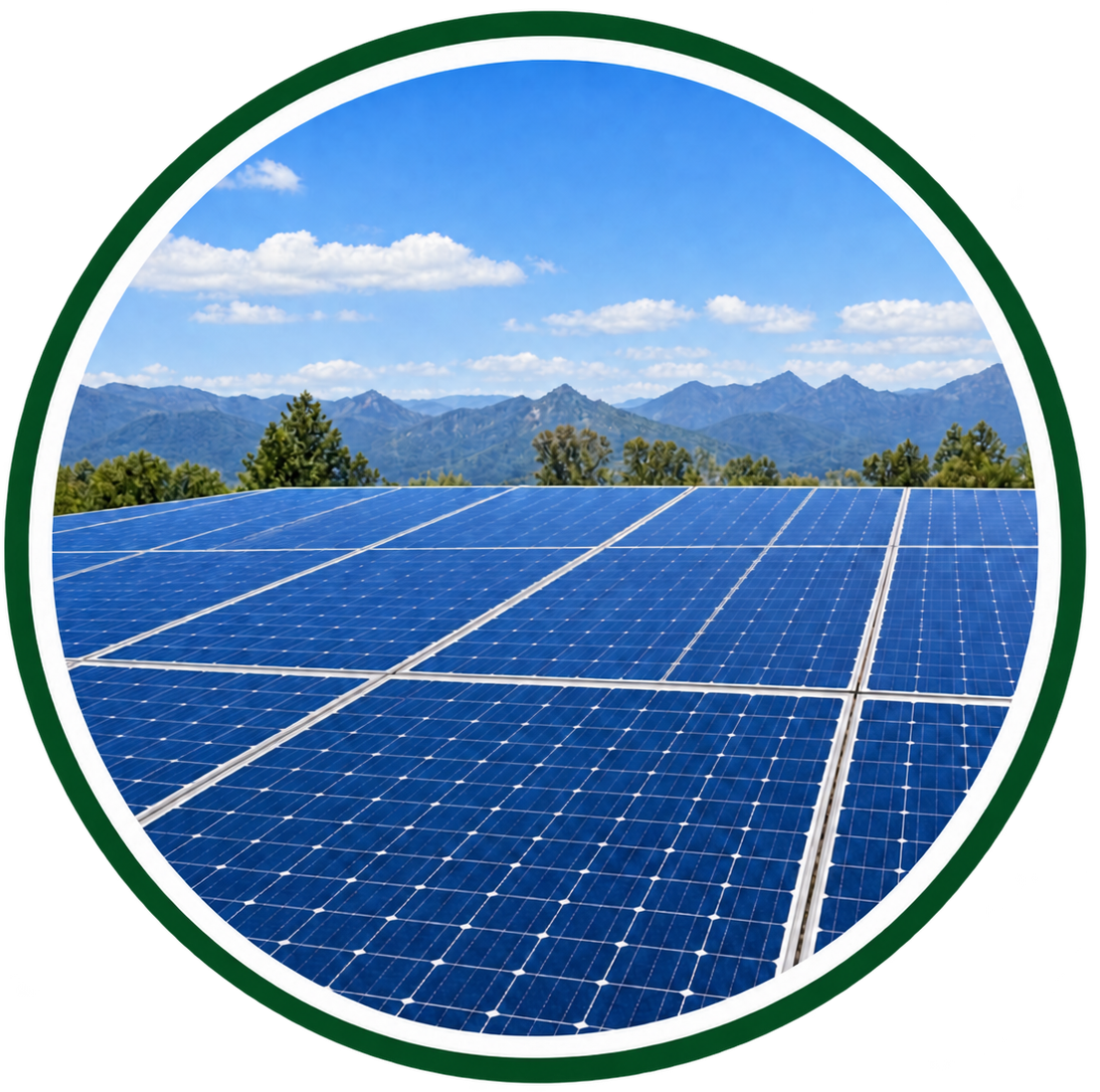
NO WILDLIFE
PROBLEMS FOUND
Your panels are cleaned, the inspection is completed, and you’ll know no obvious wildlife issues were found.
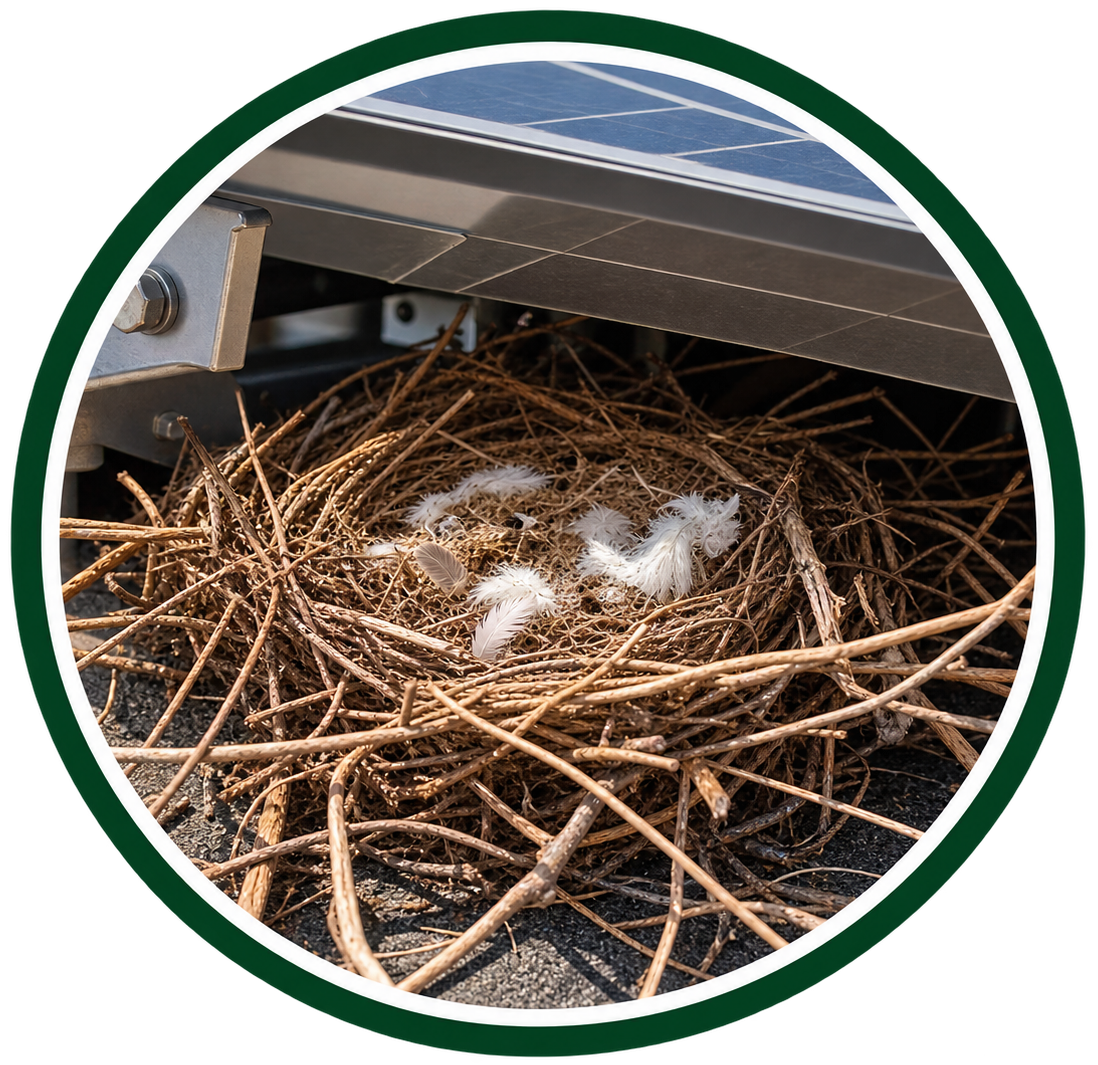
ACTIVITY OR
NESTING FOUND
We’ll show you what we found, explain the potential risks, and discuss the appropriate wildlife or bird nest removal options.
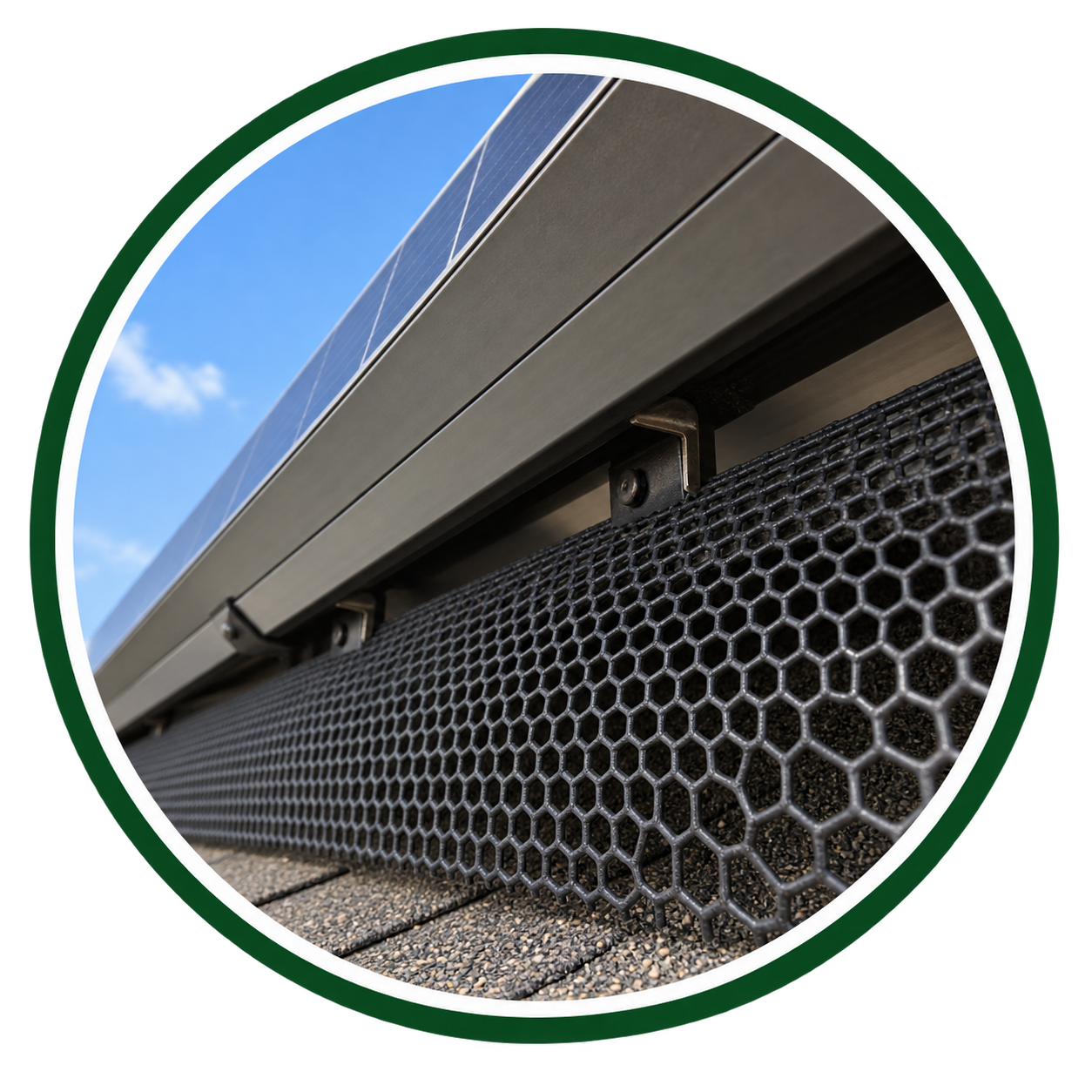
ENTRY OR RETURN
RISK FOUND
We can recommend solar panel exclusion or other measures designed to help prevent wildlife from getting back underneath your system.
No surprises. Just clear answers and expert recommendations.
Frequently Asked Questions About Solar Panel Cleaning
Do I need to be home during solar panel cleaning?
Not always. If our team can safely access the roof and solar panels without entering your home, you may not need to be present for the entire service. We’ll confirm access details when the appointment is scheduled and let you know if there’s anything we need from you beforehand.
What happens if the weather is bad on the day of my appointment?
Rain, high winds, snow, ice, or other unsafe roof conditions may require us to reschedule solar panel cleaning. Roof safety comes first, and certain weather can also prevent the panels from being cleaned properly. If conditions aren’t suitable, we’ll work with you to arrange another service time.
Can you remove hard-water spots and mineral buildup from solar panels?
Some mineral deposits and water spotting can require more attention than ordinary dirt and dust. We’ll evaluate the condition of the panels before cleaning and use appropriate non-abrasive methods whenever possible. Heavy or long-standing mineral buildup may not respond the same way as normal surface debris.
Can solar panels be cleaned after heavy pollen, wildfire smoke, or seasonal dust?
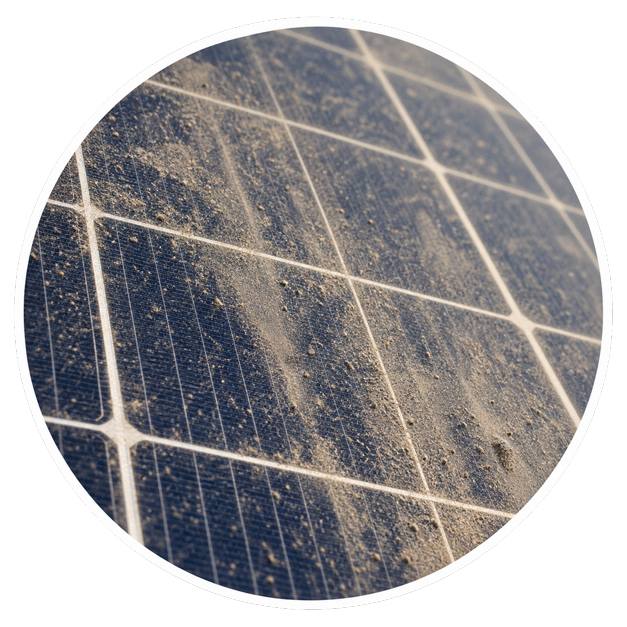
Yes. Pollen, airborne dust, smoke residue, and other fine particles can settle across solar panels and create a film that ordinary rainfall may not completely remove. Professional solar panel cleaning can help remove this seasonal buildup and restore a cleaner surface.
What if you notice a problem with the roof or solar equipment while you’re cleaning?
If we notice something visible that appears damaged, loose, or unusual while working around the solar array, we’ll let you know. That could include damaged roofing, loose-looking components, deteriorated materials, or other concerns near the panels. Depending on the issue, you may need a roofer, electrician, or solar installer to evaluate it further.
Can you clean solar panels on steep or difficult-to-access roofs?
It depends on the roof, panel placement, height, pitch, and overall access. Some solar installations require additional planning before they can be serviced safely. If your panels are located on a steep or unusually configured roof, we can evaluate the setup and determine whether the solar panel cleaning can be completed safely.